
What Is the Hardest Part About Leaving a Longtime Home?
If you’ve lived in your home for 15, 20, or even 30+ years, the hardest part about moving usually isn’t the paperwork or even the packing.
It’s letting go.
For many Central Texas homeowners, a longtime home represents decades of memories, routines, traditions, milestones, and identity. It’s where children grew up, holidays were celebrated, and life happened. That’s why downsizing or selling a longtime home can feel emotional in a way many people don’t expect.
As a Central Texas REALTOR®, I’ve noticed that many homeowners initially think the hardest part will be choosing a new home or figuring out the logistics of moving. But often, the emotional side is much heavier than they anticipated.
And honestly, that’s completely normal.
A Home Becomes Part of Your Identity

After living in the same place for many years, the home often becomes tied to a person’s sense of stability, comfort, and familiarity.
Even when homeowners know the move makes sense financially or physically, they may still feel:
guilty about leaving
overwhelmed by the process
uncertain about the future
emotionally attached to belongings
worried they’re making the wrong decision
Sometimes people feel like they’re not just leaving a house. They’re leaving a version of themselves.
That’s especially common for longtime homeowners who raised families in the home or spent years building a life there.
The Belongings Are Often the Hardest Part
One of the biggest emotional challenges during downsizing is dealing with years of accumulated belongings.
Furniture.
Photos.
Holiday decorations.
Children’s keepsakes.
Handwritten notes.
Boxes in the garage that haven’t been opened in years.
To someone else, these may look like “stuff.”
But to the homeowner, those items often represent memories, seasons of life, and emotional connection.
Many homeowners struggle because they feel like getting rid of belongings means throwing away part of their life story.
I’ve heard people say things like:
“I feel bad donating this.”
“What if my kids wanted this later?”
“I worked hard for these things.”
“I feel like I’m throwing memories away.”
The emotional weight of those decisions can slow down the downsizing process significantly.
For a practical guide to working through belongings, how to let go of belongings before downsizing without feeling overwhelmed walks through it step by step.
A Personal Story That Reflects What Many Families Experience
I recently reflected on a family who had lived in their home for more than 17 years.
The home itself had become difficult to maintain. It was built in 1976 and needed major repairs and updates. The air conditioning technically worked, but the home never cooled properly during the Central Texas summers. During winter, the house struggled to stay warm.
Over time:
walls developed holes
outlets stopped working
the décor became outdated
the garage ceiling caved in
maintenance became overwhelming
The family decided to move into a senior community closer to relatives where:
landscaping was handled for them
maintenance was simpler
there was a community pool
life felt less stressful
Financially and practically, the move made sense.
Emotionally, though, it was difficult.
The hardest part wasn’t the house itself.
It was letting go of decades of belongings and memories.
There were years of furniture, keepsakes, decorations, clothing, and household items that had to be sorted through. Some things were donated. Some were given away. Some had to be discarded.
At one point, they decided to create memory boxes for each of their children filled with meaningful keepsakes from the home and family history.
That helped.
But there were still moments where they questioned themselves:
“Are we making the right decision?”
“What if we regret this?”
“Why does this feel so emotional?”
What ultimately helped them move forward was reframing the move as a new chapter instead of a loss.
The move allowed them to:
spend more time with family
stop worrying about constant home maintenance
simplify life
focus more on experiences instead of managing a house
And slowly, the emotional weight became lighter.
Downsizing Is About More Than Space
A lot of people assume downsizing simply means moving into a smaller home.
But emotionally, downsizing is really about transition.
It often involves:
retirement
aging
changing family dynamics
health considerations
lifestyle shifts
simplifying responsibilities
That’s why many homeowners feel emotional even when they know the move is the right choice.
What Actually Helps People Move Forward

Every homeowner is different, but there are a few things that often help make the transition easier.
1. Taking the Process Slowly
Trying to make every decision in one weekend usually creates more stress.
It helps to break downsizing into smaller steps:
one room at a time
one category at a time
one decision at a time
2. Focusing on What Matters Most
Many families find peace when they intentionally preserve the items that matter most.
That could mean:
memory boxes
photo albums
digitizing old photos
passing meaningful items to children or grandchildren
The goal isn’t to keep everything.
It’s to preserve what matters most.
3. Reframing the Move
One of the biggest mindset shifts happens when homeowners stop seeing the move as “losing everything” and start seeing it as making room for a different season of life.
For many people, downsizing creates:
less stress
less maintenance
more freedom
closer connection to family
simpler living
That perspective changes everything.
If you are still wondering about timing, how do I talk to my adult children about downsizing addresses the family conversation many homeowners avoid.
You Don’t Have to Figure It Out All at Once
One of the biggest misconceptions about downsizing is that you need to have everything figured out before you begin.
You don’t.
Most homeowners start with uncertainty.
That’s normal.
The important thing is having a plan, taking things step by step, and giving yourself permission to feel emotional during the process.
Leaving a longtime home is a major life transition.
It’s okay for it to feel significant.
If you are also worried about whether you will regret the decision itself, will I regret downsizing my home speaks directly to that fear.
If you are not sure whether the timing is right, how to know when it is the right time to downsize in Georgetown can help bring some clarity.
Final Thoughts
The hardest part about leaving a longtime home usually isn’t the move itself.
It’s the emotional process of letting go of a chapter of life that meant something deeply personal.
But for many Central Texas homeowners, downsizing also creates space for something new:
less stress
more freedom
more family time
more peace of mind
and a simpler next chapter
And sometimes, that fresh start becomes exactly what they needed.
Frequently Asked Questions
Is it normal to feel emotional about downsizing?
Absolutely. Many homeowners feel emotionally attached to both their home and their belongings, especially after living there for many years.
How do I start downsizing without feeling overwhelmed?
Start small. Focus on one room or category at a time instead of trying to tackle everything at once.
What should I do with sentimental belongings?
Many families keep a smaller collection of meaningful items while donating or gifting other belongings to family members.
Should I renovate my longtime home before selling?
That depends on the condition of the home, your goals, and your budget. Sometimes small updates matter more than major renovations.
How do I know if it’s time to downsize?
Usually there are practical signs:
maintenance becoming overwhelming
unused space
wanting simpler living
lifestyle changes
wanting to be closer to family
But emotional readiness matters too.
If selling has been on your mind, but you’re unsure where to start, send me a message. I’ll help you sort through your options and create a clear plan.
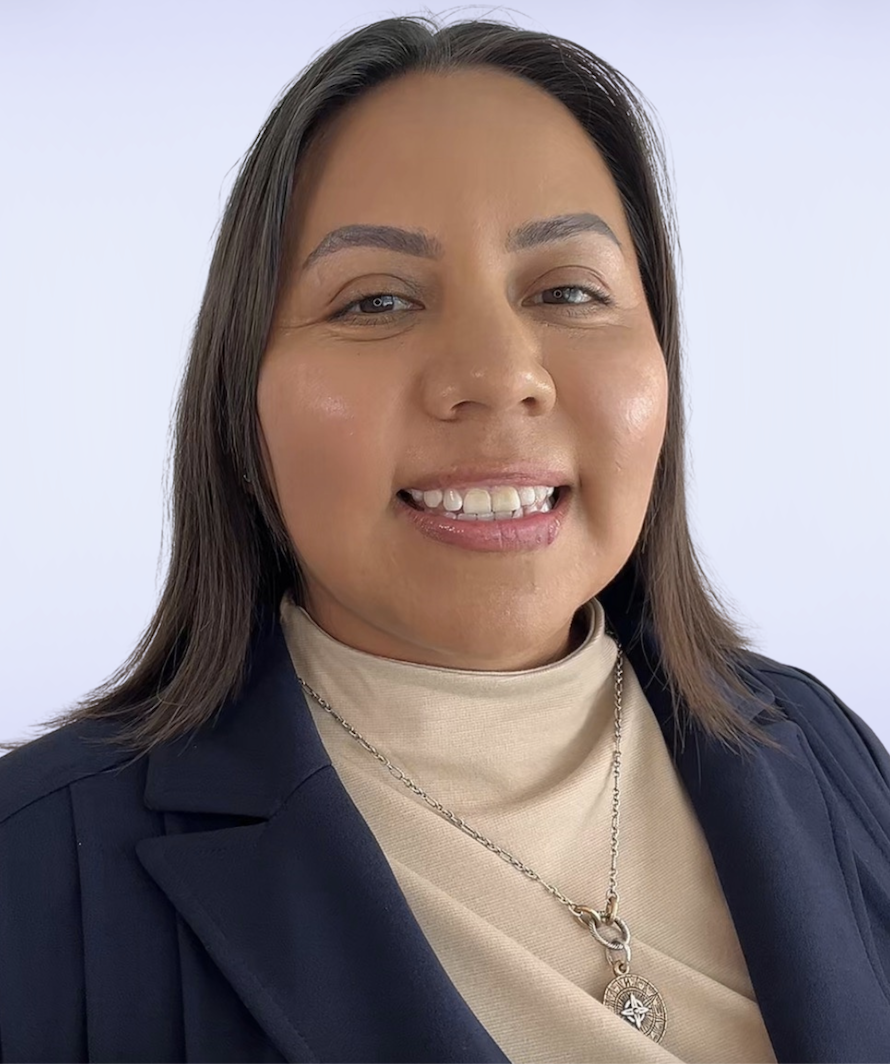
Juana M. Rodriguez, REALTOR®
Guiding Your Next Chapter
Helping Central Texas homeowners downsize, buy, sell, and move forward with clarity and confidence.
📞 (254) 312-5660
🌐 https://home.juanamrodriguez.com/home
📰 Central Texas Real Estate Answers Blog:
https://centraltexasrealestateanswers.juanamrodriguez.com/answers
📷 Instagram | TikTok | Threads: @juanamrodrigueztx
eXp Realty


